

Technology & Innovation
Driving technical innovation and localized services to build a cleaner, smarter, and more sustainable future.

Line Loss Analysis and Abnormal Electricity Consumption Analysis Technology Based on Multi-Source Measurement Fusion
Advance meticulous line loss management through multi-source measurement fusion, precise loss decomposition, and intelligent anomaly identification. By integrating multi-source data from low-voltage transformer areas—including topologies, meter measurements, load monitoring units (LMUs), and phasor measurement units (PMUs)—this achievement establishes a methodological framework for meticulous theoretical line loss calculation and intelligent analysis of abnormal electricity usage such…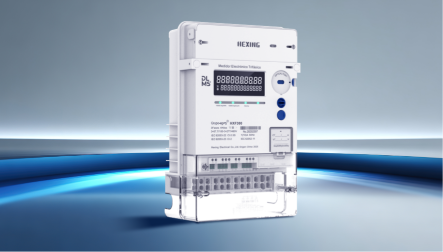
High-Precision and Multi-Dimensional Smart Metering Technology
High-precision metering capability, full-scenario adaptability, enabling precise power supervision and efficient electricity utilization. Achievement Description Integrating 0.2S ultra-high precision metering, panoramic power quality analysis, and full-scenario adaptive capabilities, it is specifically designed for gateway settlement, high-end commercial and industrial applications, and key nodes of new power systems, achieving a value leap from “precise billing” to…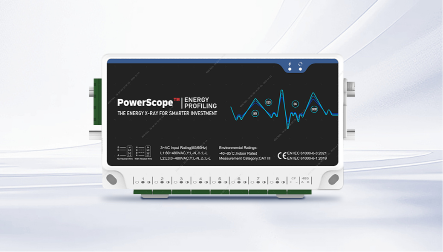
PowerScope™ Energy Profiling
Gain insight into energy usage, control peak demand and reduce costs, and optimize investment returns. Centered on multi-circuit precision monitoring, it integrates five capabilities: real-time data acquisition, energy consumption analysis, intelligent diagnostic alarms, curve export, and ROI analysis, building a full-chain integrated solution from energy collection to storage calculation. Technology Areas Energy Monitoring and Diagnosis…
STS Technology Alliance
The STS Association is a core standards organization in the global prepayment metering field, covering prepayment systems for utilities such as electricity, water, gas, and heat, including standard development, secure token authentication, metering equipment testing, and global ecosystem building, enabling cross-vendor device interoperability and secure payment through standardization.
DLMS Technology Alliance
The core business of the DLMS Technology Alliance is smart electricity, water, gas, and heat meters, and it extends to smart grids, distributed energy (photovoltaic/charging stations), smart cities, and industrial IoT, providing a global unified communication standard for energy and data management.
Wi-SUN FAN Energy IoT Communication Technology
Global Standards, Ecosystem Win-Win: Building an Open, Reliable, and Future-Proof Communication Foundation for Large-Scale IoT Based on global open standards, this high-performance communication module leverages Wi-SUN FAN technology to build industrial mesh networks, featuring multi-vendor interoperability, low power consumption, and long-range wireless connectivity, designed for large-scale outdoor IoT applications such as smart grids and smart…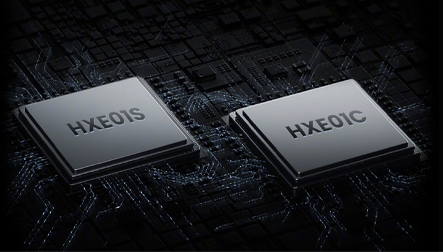
Hexing Xinchuang – 40nm OFDM Dual-Mode Power Communication Chip (HXE01C/HXE01S)
One Chip, Dual Mode, Deep Integration: Providing Uninterrupted Reliable Connections in Complex Environments A self-developed broadband power line carrier (PLC) and radio frequency (RF) dual-mode communication chip, using physical layer deep integration technology to overcome signal blind spots and interference challenges, fully meeting the high-reliability communication needs of smart grids and the Internet of Things.…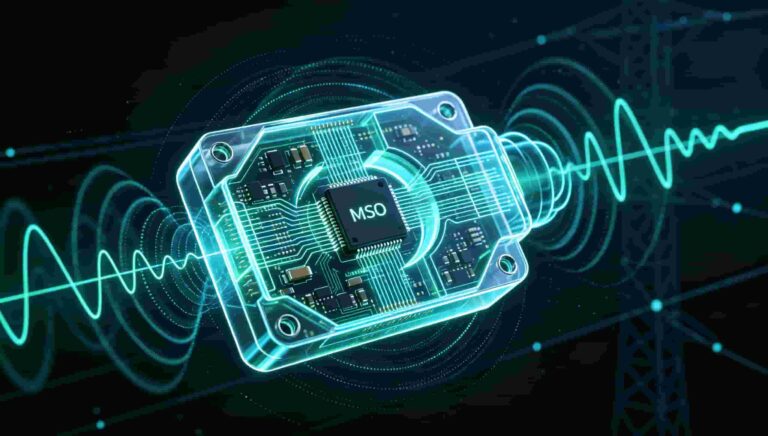
Low-Voltage Distribution Transformer Area Current Communication Technology Based on Multiple Spread Spectrum Techniques
Low-voltage substation area "zero wiring" communication solution, achieving anti-harmonic interference through multiple spread spectrum techniques, with communication success rate improved to over 99.5%, suitable for medium and low voltage lines in various scenarios of power IoT applications. Current communication technology applicable to 50Hz/60Hz low-voltage power lines: Technology Areas Power Line Communication Technology, Power IoT Communication…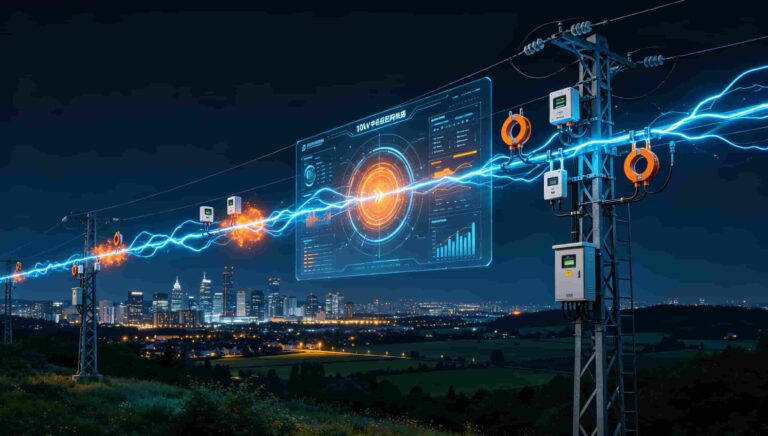
Line Loss Localization System Based on Multi-Source Measurement Fusion
Non-Intrusive Efficient Localization Scheme for Medium-Voltage Line Loss Technology Areas Smart Sensor R&D Approach (Independent R&D, Joint Innovation) Independent Innovation Pain Points and Challenges Technical Level: Traditional algorithms are disconnected from actual loads and line parameters; intelligent algorithms require high data volume and topological integrity; distributed generation access leads to bidirectional power flow, further impacting…
Core Terminal for Full-Scenario Smart Home Energy Management
Smart Dispatch · Cost Reduction & Compliance · Safe Backup Power, Building a Green Home Energy Ecosystem. An all-in-one home energy management device integrating PV, storage, EV chargers, diesel generators, and home loads. Through dynamic electricity price arbitrage, PV self-consumption optimization, anti-backflow compliance control, and millisecond-level backup power switching, it achieves low-cost, high-safety, and high-efficiency…
Multi-Energy Intelligent Dispatch and Collaborative Optimization Technology Based on C&I Energy Management
Breaking the energy dilemma with intelligent dispatch, creating triple value (energy efficiency + cost + carbon emissions) through collaborative optimization Focusing on complex industrial and commercial energy consumption scenarios, with multi-energy supply-demand intelligent dispatch as the core, dynamically matching production-consumption rhythms, optimizing distributed energy and storage configurations, achieving precise energy control, and ensuring energy security…
G3 Technology Alliance
The core business of the G3 Alliance is to promote power line communication technology based on the G3-PLC standard, mainly covering the smart grid field (including advanced metering infrastructure, distribution automation), and extending to smart city application scenarios such as smart streetlights and electric vehicle charging.

Secure Wireless Mesh Network with Proprietary Architecture
Develop core technologies such as blockchain-based distributed security architecture, develop intrusion prevention systems and optimize the underlying architecture, and implement demonstrations in multiple industries; break foreign technology monopoly, ensure the security of industries related to national economy and people's livelihood, help Zhejiang occupy a technological high ground, and promote industrialization. Project Description Innovation points: distributed…
Research and Application of Key Technologies for High-Performance Low-Power Ubiquitous Power Internet of Things
Develop key technologies for the Ubiquitous Power Internet of Things, promote chip localization, and enhance grid security. Project Description Break through the limitations of single-mode communication, develop key technologies for the Ubiquitous Power Internet of Things, achieve localization, enhance grid security and industry standards, and seize market opportunities. Opportunity: The state promotes the construction of…
LoRaWAN™ Wide Area Low-Power IoT Communication Technology
Wide Coverage, Minimal Deployment: Connect everything with ultra-low-power networks, unleashing the value of massive data Achievement Description An end-to-end solution based on the LoRaWAN open standard, leveraging ultra-long-distance, high-capacity communication and full-stack self-developed capabilities to provide a cost-effective, easy-to-deploy, and long-lasting network foundation for smart metering and ubiquitous IoT. Technology Areas Smart Meter Pain Points…
PRIME Dual-Standard Power Line Communication Technology
From European Standards to Global Standards: A Faster, More Resilient, Future-Ready Neural Network for the Power Grid. The next-generation narrowband power line carrier solution based on the PRIME v1.4 international standard achieves comprehensive leaps in speed, anti-interference, global frequency band adaptation, and IPv6 support, providing a powerful and reliable communication foundation for the global deployment…
G3-PLC & RF Dual-Mode Hybrid Networking Communication Solution
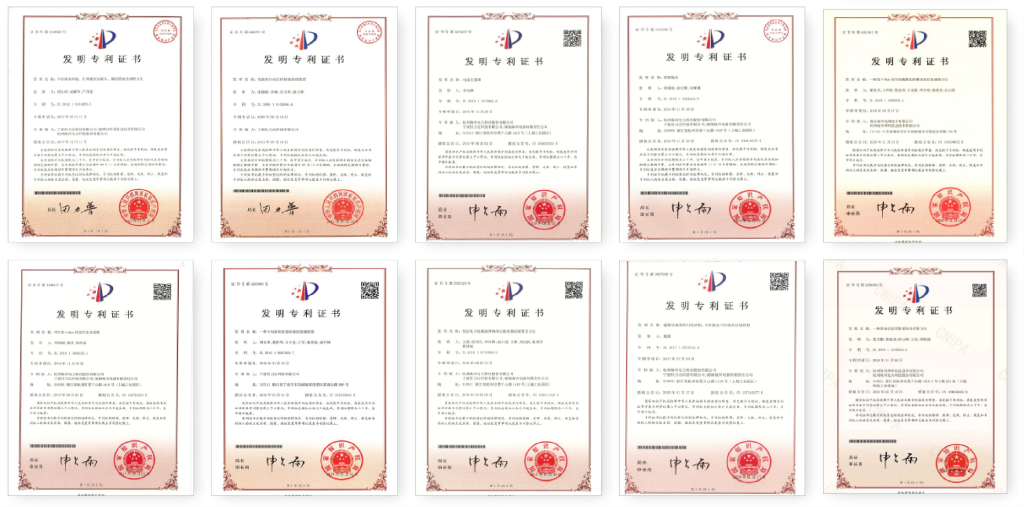
Wired and wireless intelligently complement each other, overcoming the last 1% coverage blind spot to ensure every device stays stably online. Based on the G3-Hybrid global standard, the industry's first solution that truly achieves intelligent integration and seamless switching between G3-PLC power line carrier and RF wireless communication, designed specifically to solve the ultimate challenges…Awarded Multiple International Technology Patents
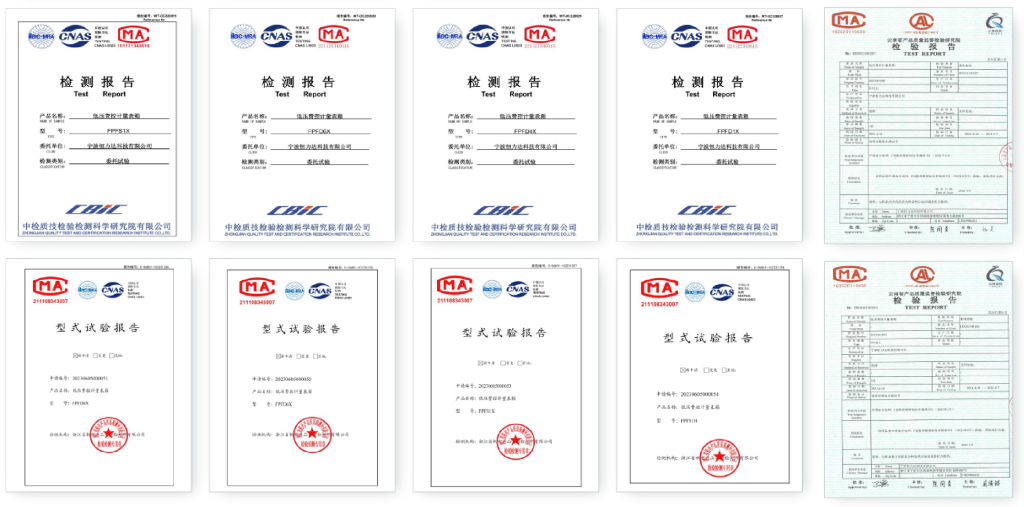
Tested by Authoritative Institutions for Safer Use